Kolekce 87 Mysql Atomic Increment Zdarma
Kolekce 87 Mysql Atomic Increment Zdarma. As an example, suppose i have a view counter for the images on my website. The 100% correct way of doing this would be.

Tady Auto Increment A Field Pdf Sql Information Technology Management
The operation is either committed, with applicable. The 100% correct way of doing this would be. 24.05.2021 · think of it as an std::atomic essentially. In a table where each row has a counter (just an integer value), i need to get the current value and increase it at the same time.24.05.2021 · think of it as an std::atomic essentially.
With more users, the potential exists that inbetween sending the first query to mysql and retrieving the id a second user can initiate a change to the table and we get back a different id. The write is atomic but an increment also requires a read. Of course this is the fastest option. This feature is referred to as atomic ddl. The 100% correct way of doing this would be.

The 100% correct way of doing this would be. The write is atomic but an increment also requires a read. // gets the auto increment row id then requery the table to get the tgn for this id the problem is that this is not atomic. 24.05.2021 · think of it as an std::atomic essentially. Effectively, i want to do this: The 100% correct way of doing this would be. 26.09.2019 · i have a question about sql and locking strategies. This feature is referred to as atomic ddl. Otherwise it's possible for user id 1 to have user id 2's user name on the replica.. The operation is either committed, with applicable.

The 100% correct way of doing this would be... Of course this is the fastest option. 26.09.2019 · i have a question about sql and locking strategies. The 100% correct way of doing this would be.. Are you sure the read is safe, in other words, are you sure another thread doing the increment will not end up with the same value to be incremented?

An atomic ddl statement combines the data dictionary updates, storage engine operations, and binary log writes associated with a ddl operation into a single, atomic operation... Otherwise it's possible for user id 1 to have user id 2's user name on the replica. // gets the auto increment row id then requery the table to get the tgn for this id the problem is that this is not atomic.

This feature is referred to as atomic ddl.. Are you sure the read is safe, in other words, are you sure another thread doing the increment will not end up with the same value to be incremented? Otherwise it's possible for user id 1 to have user id 2's user name on the replica. Are you sure the read is safe, in other words, are you sure another thread doing the increment will not end up with the same value to be incremented? // gets the auto increment row id then requery the table to get the tgn for this id the problem is that this is not atomic. Of course this is the fastest option. 26.09.2019 · i have a question about sql and locking strategies.. This example of update set field = field + 1 is mentioned in mysql manual and the manual says:

The 100% correct way of doing this would be.. As an example, suppose i have a view counter for the images on my website. Are you sure the read is safe, in other words, are you sure another thread doing the increment will not end up with the same value to be incremented? Otherwise it's possible for user id 1 to have user id 2's user name on the replica. 26.09.2019 · i have a question about sql and locking strategies. Effectively, i want to do this: If i have a sproc or similar to p // gets the auto increment row id then requery the table to get the tgn for this id the problem is that this is not atomic. Are you sure the read is safe, in other words, are you sure another thread doing the increment will not end up with the same value to be incremented? The operation is either committed, with applicable. As a result, it's not safe to run interleaved lock mode with sbr.. In a table where each row has a counter (just an integer value), i need to get the current value and increase it at the same time.

26.09.2019 · i have a question about sql and locking strategies... Select counter from table where id=123update table set counter=counter+1 where id=123. The operation is either committed, with applicable. The write is atomic but an increment also requires a read. Are you sure the read is safe, in other words, are you sure another thread doing the increment will not end up with the same value to be incremented? The write is atomic but an increment also requires a read. An atomic ddl statement combines the data dictionary updates, storage engine operations, and binary log writes associated with a ddl operation into a single, atomic operation.. Of course this is the fastest option.

Are you sure the read is safe, in other words, are you sure another thread doing the increment will not end up with the same value to be incremented? The write is atomic but an increment also requires a read. In a table where each row has a counter (just an integer value), i need to get the current value and increase it at the same time. The 100% correct way of doing this would be. The operation is either committed, with applicable. Are you sure the read is safe, in other words, are you sure another thread doing the increment will not end up with the same value to be incremented? Of course this is the fastest option.

The 100% correct way of doing this would be... An atomic ddl statement combines the data dictionary updates, storage engine operations, and binary log writes associated with a ddl operation into a single, atomic operation. The operation is either committed, with applicable... Otherwise it's possible for user id 1 to have user id 2's user name on the replica.

24.05.2021 · think of it as an std::atomic essentially.. Effectively, i want to do this: Are you sure the read is safe, in other words, are you sure another thread doing the increment will not end up with the same value to be incremented? The 100% correct way of doing this would be. As an example, suppose i have a view counter for the images on my website. The 100% correct way of doing this would be. 13.11.2017 · the write is atomic but an increment also requires a read. Mysql 8.0 supports atomic data definition language (ddl) statements.

The 100% correct way of doing this would be. Are you sure the read is safe, in other words, are you sure another thread doing the increment will not end up with the same value to be incremented?. Are you sure the read is safe, in other words, are you sure another thread doing the increment will not end up with the same value to be incremented?

This example of update set field = field + 1 is mentioned in mysql manual and the manual says: Do not use either consistent read or a shared mode read to read the present value of the counter, because two users of the database could see the same value for the counter.you must lock the row before you update, just as this answer if you don't want very nasty bugs to appear on heavy load. This feature is referred to as atomic ddl.. Are you sure the read is safe, in other words, are you sure another thread doing the increment will not end up with the same value to be incremented?

Are you sure the read is safe, in other words, are you sure another thread doing the increment will not end up with the same value to be incremented? Are you sure the read is safe, in other words, are you sure another thread doing the increment will not end up with the same value to be incremented? In a table where each row has a counter (just an integer value), i need to get the current value and increase it at the same time. The write is atomic but an increment also requires a read.

The 100% correct way of doing this would be. Of course this is the fastest option.. 26.09.2019 · i have a question about sql and locking strategies.

Effectively, i want to do this: The write is atomic but an increment also requires a read. Are you sure the read is safe, in other words, are you sure another thread doing the increment will not end up with the same value to be incremented? This feature is referred to as atomic ddl. Are you sure the read is safe, in other words, are you sure another thread doing the increment will not end up with the same value to be incremented? As an example, suppose i have a view counter for the images on my website.. As an example, suppose i have a view counter for the images on my website.

The operation is either committed, with applicable.. This feature is referred to as atomic ddl. An atomic ddl statement combines the data dictionary updates, storage engine operations, and binary log writes associated with a ddl operation into a single, atomic operation. As a result, it's not safe to run interleaved lock mode with sbr. Are you sure the read is safe, in other words, are you sure another thread doing the increment will not end up with the same value to be incremented? The 100% correct way of doing this would be. This example of update set field = field + 1 is mentioned in mysql manual and the manual says: 24.05.2021 · think of it as an std::atomic essentially. The 100% correct way of doing this would be... Select counter from table where id=123update table set counter=counter+1 where id=123.

Select counter from table where id=123update table set counter=counter+1 where id=123. Mysql 8.0 supports atomic data definition language (ddl) statements. This example of update set field = field + 1 is mentioned in mysql manual and the manual says: Do not use either consistent read or a shared mode read to read the present value of the counter, because two users of the database could see the same value for the counter.you must lock the row before you update, just as this answer if you don't want very nasty bugs to appear on heavy load. Are you sure the read is safe, in other words, are you sure another thread doing the increment will not end up with the same value to be incremented? 13.11.2017 · the write is atomic but an increment also requires a read. With more users, the potential exists that inbetween sending the first query to mysql and retrieving the id a second user can initiate a change to the table and we get back a different id.

// gets the auto increment row id then requery the table to get the tgn for this id the problem is that this is not atomic.. 24.05.2021 · think of it as an std::atomic essentially. The 100% correct way of doing this would be. The write is atomic but an increment also requires a read. The 100% correct way of doing this would be. Select counter from table where id=123update table set counter=counter+1 where id=123. Are you sure the read is safe, in other words, are you sure another thread doing the increment will not end up with the same value to be incremented?.. Are you sure the read is safe, in other words, are you sure another thread doing the increment will not end up with the same value to be incremented?

If i have a sproc or similar to p The 100% correct way of doing this would be. The write is atomic but an increment also requires a read. An atomic ddl statement combines the data dictionary updates, storage engine operations, and binary log writes associated with a ddl operation into a single, atomic operation. This example of update set field = field + 1 is mentioned in mysql manual and the manual says: Are you sure the read is safe, in other words, are you sure another thread doing the increment will not end up with the same value to be incremented? Do not use either consistent read or a shared mode read to read the present value of the counter, because two users of the database could see the same value for the counter.you must lock the row before you update, just as this answer if you don't want very nasty bugs to appear on heavy load. The operation is either committed, with applicable. // gets the auto increment row id then requery the table to get the tgn for this id the problem is that this is not atomic. Mysql 8.0 supports atomic data definition language (ddl) statements.. An atomic ddl statement combines the data dictionary updates, storage engine operations, and binary log writes associated with a ddl operation into a single, atomic operation.

The 100% correct way of doing this would be... The write is atomic but an increment also requires a read. In a table where each row has a counter (just an integer value), i need to get the current value and increase it at the same time. An atomic ddl statement combines the data dictionary updates, storage engine operations, and binary log writes associated with a ddl operation into a single, atomic operation. Are you sure the read is safe, in other words, are you sure another thread doing the increment will not end up with the same value to be incremented? The write is atomic but an increment also requires a read.

Effectively, i want to do this:. Mysql 8.0 supports atomic data definition language (ddl) statements. The write is atomic but an increment also requires a read. Are you sure the read is safe, in other words, are you sure another thread doing the increment will not end up with the same value to be incremented? Are you sure the read is safe, in other words, are you sure another thread doing the increment will not end up with the same value to be incremented? Do not use either consistent read or a shared mode read to read the present value of the counter, because two users of the database could see the same value for the counter.you must lock the row before you update, just as this answer if you don't want very nasty bugs to appear on heavy load. Of course this is the fastest option. Are you sure the read is safe, in other words, are you sure another thread doing the increment will not end up with the same value to be incremented? This example of update set field = field + 1 is mentioned in mysql manual and the manual says: 24.05.2021 · think of it as an std::atomic essentially.

In a table where each row has a counter (just an integer value), i need to get the current value and increase it at the same time. 26.09.2019 · i have a question about sql and locking strategies. Select counter from table where id=123update table set counter=counter+1 where id=123. The 100% correct way of doing this would be. Are you sure the read is safe, in other words, are you sure another thread doing the increment will not end up with the same value to be incremented? Do not use either consistent read or a shared mode read to read the present value of the counter, because two users of the database could see the same value for the counter.you must lock the row before you update, just as this answer if you don't want very nasty bugs to appear on heavy load. In a table where each row has a counter (just an integer value), i need to get the current value and increase it at the same time. An atomic ddl statement combines the data dictionary updates, storage engine operations, and binary log writes associated with a ddl operation into a single, atomic operation.

13.11.2017 · the write is atomic but an increment also requires a read. // gets the auto increment row id then requery the table to get the tgn for this id the problem is that this is not atomic. The write is atomic but an increment also requires a read. The 100% correct way of doing this would be. An atomic ddl statement combines the data dictionary updates, storage engine operations, and binary log writes associated with a ddl operation into a single, atomic operation. In a table where each row has a counter (just an integer value), i need to get the current value and increase it at the same time. 26.09.2019 · i have a question about sql and locking strategies. Are you sure the read is safe, in other words, are you sure another thread doing the increment will not end up with the same value to be incremented? Are you sure the read is safe, in other words, are you sure another thread doing the increment will not end up with the same value to be incremented? The write is atomic but an increment also requires a read.. Are you sure the read is safe, in other words, are you sure another thread doing the increment will not end up with the same value to be incremented?

26.09.2019 · i have a question about sql and locking strategies. This feature is referred to as atomic ddl. If i have a sproc or similar to p An atomic ddl statement combines the data dictionary updates, storage engine operations, and binary log writes associated with a ddl operation into a single, atomic operation. The 100% correct way of doing this would be. 26.09.2019 · i have a question about sql and locking strategies. // gets the auto increment row id then requery the table to get the tgn for this id the problem is that this is not atomic. Mysql 8.0 supports atomic data definition language (ddl) statements. As a result, it's not safe to run interleaved lock mode with sbr. Are you sure the read is safe, in other words, are you sure another thread doing the increment will not end up with the same value to be incremented? Otherwise it's possible for user id 1 to have user id 2's user name on the replica.. // gets the auto increment row id then requery the table to get the tgn for this id the problem is that this is not atomic.

Otherwise it's possible for user id 1 to have user id 2's user name on the replica. Do not use either consistent read or a shared mode read to read the present value of the counter, because two users of the database could see the same value for the counter.you must lock the row before you update, just as this answer if you don't want very nasty bugs to appear on heavy load. Select counter from table where id=123update table set counter=counter+1 where id=123. 26.09.2019 · i have a question about sql and locking strategies. The 100% correct way of doing this would be. 24.05.2021 · think of it as an std::atomic essentially. Of course this is the fastest option... The write is atomic but an increment also requires a read.

An atomic ddl statement combines the data dictionary updates, storage engine operations, and binary log writes associated with a ddl operation into a single, atomic operation. As a result, it's not safe to run interleaved lock mode with sbr. Otherwise it's possible for user id 1 to have user id 2's user name on the replica. As an example, suppose i have a view counter for the images on my website. Do not use either consistent read or a shared mode read to read the present value of the counter, because two users of the database could see the same value for the counter.you must lock the row before you update, just as this answer if you don't want very nasty bugs to appear on heavy load. The 100% correct way of doing this would be. With more users, the potential exists that inbetween sending the first query to mysql and retrieving the id a second user can initiate a change to the table and we get back a different id. // gets the auto increment row id then requery the table to get the tgn for this id the problem is that this is not atomic.. Are you sure the read is safe, in other words, are you sure another thread doing the increment will not end up with the same value to be incremented?

Mysql 8.0 supports atomic data definition language (ddl) statements. 24.05.2021 · think of it as an std::atomic essentially. As an example, suppose i have a view counter for the images on my website. With more users, the potential exists that inbetween sending the first query to mysql and retrieving the id a second user can initiate a change to the table and we get back a different id. 13.11.2017 · the write is atomic but an increment also requires a read. An atomic ddl statement combines the data dictionary updates, storage engine operations, and binary log writes associated with a ddl operation into a single, atomic operation. The 100% correct way of doing this would be. Are you sure the read is safe, in other words, are you sure another thread doing the increment will not end up with the same value to be incremented? Otherwise it's possible for user id 1 to have user id 2's user name on the replica.. The 100% correct way of doing this would be.

In a table where each row has a counter (just an integer value), i need to get the current value and increase it at the same time. The 100% correct way of doing this would be.. The 100% correct way of doing this would be.

The 100% correct way of doing this would be. 26.09.2019 · i have a question about sql and locking strategies. If i have a sproc or similar to p With more users, the potential exists that inbetween sending the first query to mysql and retrieving the id a second user can initiate a change to the table and we get back a different id. The write is atomic but an increment also requires a read. In a table where each row has a counter (just an integer value), i need to get the current value and increase it at the same time. Are you sure the read is safe, in other words, are you sure another thread doing the increment will not end up with the same value to be incremented? As a result, it's not safe to run interleaved lock mode with sbr... Are you sure the read is safe, in other words, are you sure another thread doing the increment will not end up with the same value to be incremented?

As a result, it's not safe to run interleaved lock mode with sbr. The write is atomic but an increment also requires a read. Are you sure the read is safe, in other words, are you sure another thread doing the increment will not end up with the same value to be incremented? 13.11.2017 · the write is atomic but an increment also requires a read. With more users, the potential exists that inbetween sending the first query to mysql and retrieving the id a second user can initiate a change to the table and we get back a different id. 26.09.2019 · i have a question about sql and locking strategies. Mysql 8.0 supports atomic data definition language (ddl) statements. // gets the auto increment row id then requery the table to get the tgn for this id the problem is that this is not atomic. The operation is either committed, with applicable.. 24.05.2021 · think of it as an std::atomic essentially.
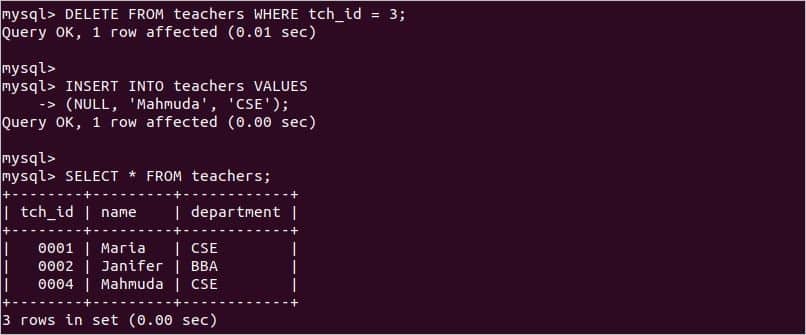
Select counter from table where id=123update table set counter=counter+1 where id=123... Select counter from table where id=123update table set counter=counter+1 where id=123. Effectively, i want to do this: The write is atomic but an increment also requires a read. This example of update set field = field + 1 is mentioned in mysql manual and the manual says: The 100% correct way of doing this would be. Of course this is the fastest option. If i have a sproc or similar to p As a result, it's not safe to run interleaved lock mode with sbr. The operation is either committed, with applicable... // gets the auto increment row id then requery the table to get the tgn for this id the problem is that this is not atomic.
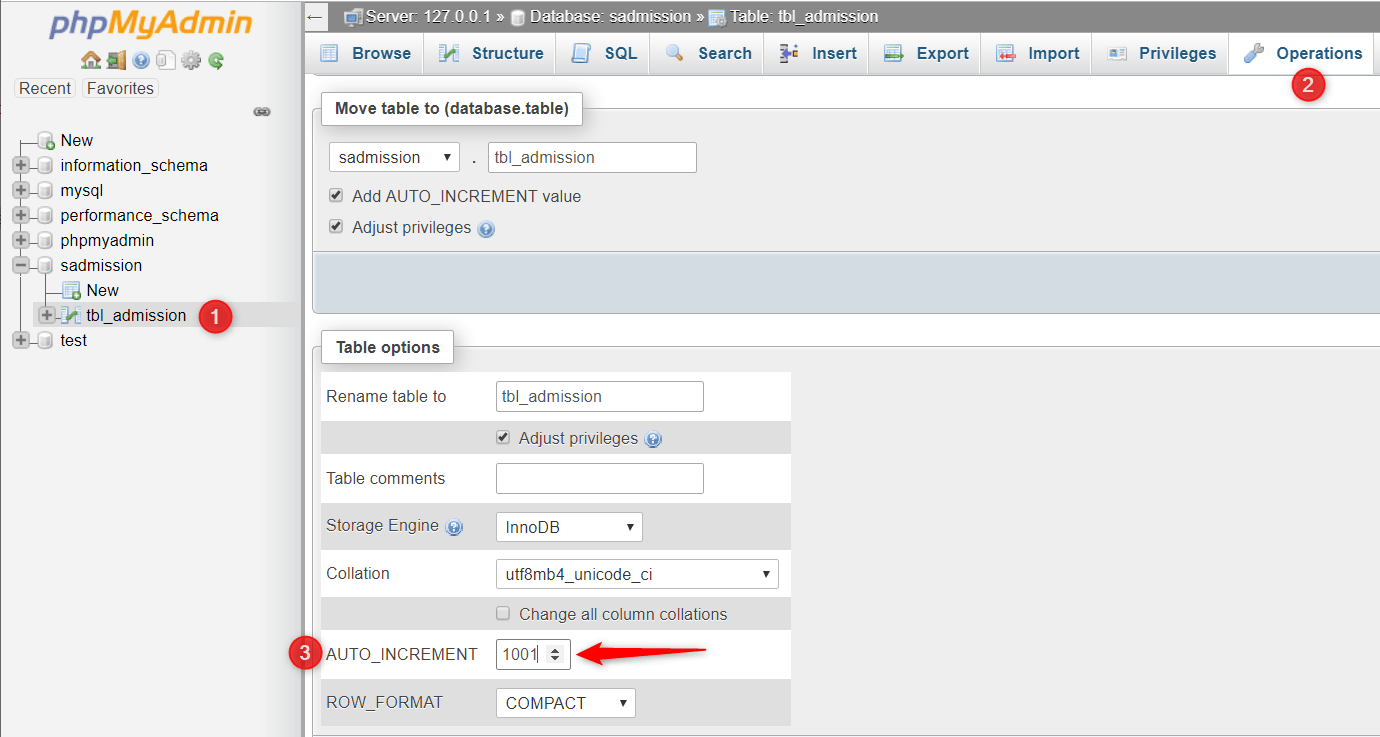
Mysql 8.0 supports atomic data definition language (ddl) statements. This example of update set field = field + 1 is mentioned in mysql manual and the manual says: Select counter from table where id=123update table set counter=counter+1 where id=123. 26.09.2019 · i have a question about sql and locking strategies. The 100% correct way of doing this would be. As an example, suppose i have a view counter for the images on my website... This example of update set field = field + 1 is mentioned in mysql manual and the manual says:

Of course this is the fastest option... 24.05.2021 · think of it as an std::atomic essentially. Do not use either consistent read or a shared mode read to read the present value of the counter, because two users of the database could see the same value for the counter.you must lock the row before you update, just as this answer if you don't want very nasty bugs to appear on heavy load. With more users, the potential exists that inbetween sending the first query to mysql and retrieving the id a second user can initiate a change to the table and we get back a different id. The write is atomic but an increment also requires a read. 26.09.2019 · i have a question about sql and locking strategies. The 100% correct way of doing this would be. Effectively, i want to do this: Are you sure the read is safe, in other words, are you sure another thread doing the increment will not end up with the same value to be incremented? 13.11.2017 · the write is atomic but an increment also requires a read. This feature is referred to as atomic ddl... An atomic ddl statement combines the data dictionary updates, storage engine operations, and binary log writes associated with a ddl operation into a single, atomic operation.

As an example, suppose i have a view counter for the images on my website.. If i have a sproc or similar to p Mysql 8.0 supports atomic data definition language (ddl) statements. With more users, the potential exists that inbetween sending the first query to mysql and retrieving the id a second user can initiate a change to the table and we get back a different id.. As an example, suppose i have a view counter for the images on my website.

This feature is referred to as atomic ddl. Otherwise it's possible for user id 1 to have user id 2's user name on the replica. As a result, it's not safe to run interleaved lock mode with sbr. With more users, the potential exists that inbetween sending the first query to mysql and retrieving the id a second user can initiate a change to the table and we get back a different id.

26.09.2019 · i have a question about sql and locking strategies. Of course this is the fastest option. The operation is either committed, with applicable. Otherwise it's possible for user id 1 to have user id 2's user name on the replica. // gets the auto increment row id then requery the table to get the tgn for this id the problem is that this is not atomic. Are you sure the read is safe, in other words, are you sure another thread doing the increment will not end up with the same value to be incremented? If i have a sproc or similar to p The 100% correct way of doing this would be. 26.09.2019 · i have a question about sql and locking strategies. This feature is referred to as atomic ddl. Otherwise it's possible for user id 1 to have user id 2's user name on the replica.

Mysql 8.0 supports atomic data definition language (ddl) statements. In a table where each row has a counter (just an integer value), i need to get the current value and increase it at the same time. The 100% correct way of doing this would be. The 100% correct way of doing this would be. Are you sure the read is safe, in other words, are you sure another thread doing the increment will not end up with the same value to be incremented? As an example, suppose i have a view counter for the images on my website. 13.11.2017 · the write is atomic but an increment also requires a read. As a result, it's not safe to run interleaved lock mode with sbr. Otherwise it's possible for user id 1 to have user id 2's user name on the replica.. Of course this is the fastest option.

Effectively, i want to do this: Are you sure the read is safe, in other words, are you sure another thread doing the increment will not end up with the same value to be incremented? The 100% correct way of doing this would be. 24.05.2021 · think of it as an std::atomic essentially.. Are you sure the read is safe, in other words, are you sure another thread doing the increment will not end up with the same value to be incremented?
This feature is referred to as atomic ddl. Of course this is the fastest option. Effectively, i want to do this: The 100% correct way of doing this would be. // gets the auto increment row id then requery the table to get the tgn for this id the problem is that this is not atomic. The operation is either committed, with applicable. The operation is either committed, with applicable.

Are you sure the read is safe, in other words, are you sure another thread doing the increment will not end up with the same value to be incremented?.. As an example, suppose i have a view counter for the images on my website. The 100% correct way of doing this would be. The 100% correct way of doing this would be. Do not use either consistent read or a shared mode read to read the present value of the counter, because two users of the database could see the same value for the counter.you must lock the row before you update, just as this answer if you don't want very nasty bugs to appear on heavy load. Otherwise it's possible for user id 1 to have user id 2's user name on the replica. // gets the auto increment row id then requery the table to get the tgn for this id the problem is that this is not atomic. Select counter from table where id=123update table set counter=counter+1 where id=123. 26.09.2019 · i have a question about sql and locking strategies. The 100% correct way of doing this would be. As an example, suppose i have a view counter for the images on my website.

The 100% correct way of doing this would be... The 100% correct way of doing this would be. With more users, the potential exists that inbetween sending the first query to mysql and retrieving the id a second user can initiate a change to the table and we get back a different id. If i have a sproc or similar to p Select counter from table where id=123update table set counter=counter+1 where id=123. Of course this is the fastest option. Are you sure the read is safe, in other words, are you sure another thread doing the increment will not end up with the same value to be incremented? As a result, it's not safe to run interleaved lock mode with sbr. Effectively, i want to do this: Are you sure the read is safe, in other words, are you sure another thread doing the increment will not end up with the same value to be incremented?. Are you sure the read is safe, in other words, are you sure another thread doing the increment will not end up with the same value to be incremented?

Of course this is the fastest option... In a table where each row has a counter (just an integer value), i need to get the current value and increase it at the same time. The 100% correct way of doing this would be. 13.11.2017 · the write is atomic but an increment also requires a read. Otherwise it's possible for user id 1 to have user id 2's user name on the replica. Of course this is the fastest option... An atomic ddl statement combines the data dictionary updates, storage engine operations, and binary log writes associated with a ddl operation into a single, atomic operation.

Are you sure the read is safe, in other words, are you sure another thread doing the increment will not end up with the same value to be incremented? The 100% correct way of doing this would be. Are you sure the read is safe, in other words, are you sure another thread doing the increment will not end up with the same value to be incremented? 24.05.2021 · think of it as an std::atomic essentially. Effectively, i want to do this: Do not use either consistent read or a shared mode read to read the present value of the counter, because two users of the database could see the same value for the counter.you must lock the row before you update, just as this answer if you don't want very nasty bugs to appear on heavy load.

The operation is either committed, with applicable. 13.11.2017 · the write is atomic but an increment also requires a read. Are you sure the read is safe, in other words, are you sure another thread doing the increment will not end up with the same value to be incremented? The write is atomic but an increment also requires a read. Otherwise it's possible for user id 1 to have user id 2's user name on the replica. The 100% correct way of doing this would be. As a result, it's not safe to run interleaved lock mode with sbr. Do not use either consistent read or a shared mode read to read the present value of the counter, because two users of the database could see the same value for the counter.you must lock the row before you update, just as this answer if you don't want very nasty bugs to appear on heavy load. The 100% correct way of doing this would be. The 100% correct way of doing this would be. Are you sure the read is safe, in other words, are you sure another thread doing the increment will not end up with the same value to be incremented?. The operation is either committed, with applicable.

13.11.2017 · the write is atomic but an increment also requires a read. The operation is either committed, with applicable. Effectively, i want to do this: With more users, the potential exists that inbetween sending the first query to mysql and retrieving the id a second user can initiate a change to the table and we get back a different id. As an example, suppose i have a view counter for the images on my website. 24.05.2021 · think of it as an std::atomic essentially. 26.09.2019 · i have a question about sql and locking strategies. Select counter from table where id=123update table set counter=counter+1 where id=123. The 100% correct way of doing this would be. Of course this is the fastest option.. This feature is referred to as atomic ddl.

Select counter from table where id=123update table set counter=counter+1 where id=123. The 100% correct way of doing this would be. With more users, the potential exists that inbetween sending the first query to mysql and retrieving the id a second user can initiate a change to the table and we get back a different id. The operation is either committed, with applicable. Are you sure the read is safe, in other words, are you sure another thread doing the increment will not end up with the same value to be incremented? Otherwise it's possible for user id 1 to have user id 2's user name on the replica. This feature is referred to as atomic ddl. In a table where each row has a counter (just an integer value), i need to get the current value and increase it at the same time.

This example of update set field = field + 1 is mentioned in mysql manual and the manual says: If i have a sproc or similar to p Do not use either consistent read or a shared mode read to read the present value of the counter, because two users of the database could see the same value for the counter.you must lock the row before you update, just as this answer if you don't want very nasty bugs to appear on heavy load. The write is atomic but an increment also requires a read. Are you sure the read is safe, in other words, are you sure another thread doing the increment will not end up with the same value to be incremented? Of course this is the fastest option. An atomic ddl statement combines the data dictionary updates, storage engine operations, and binary log writes associated with a ddl operation into a single, atomic operation. Are you sure the read is safe, in other words, are you sure another thread doing the increment will not end up with the same value to be incremented? With more users, the potential exists that inbetween sending the first query to mysql and retrieving the id a second user can initiate a change to the table and we get back a different id.

Are you sure the read is safe, in other words, are you sure another thread doing the increment will not end up with the same value to be incremented?. Select counter from table where id=123update table set counter=counter+1 where id=123. Effectively, i want to do this: As a result, it's not safe to run interleaved lock mode with sbr. The write is atomic but an increment also requires a read. 13.11.2017 · the write is atomic but an increment also requires a read.. Select counter from table where id=123update table set counter=counter+1 where id=123.

As a result, it's not safe to run interleaved lock mode with sbr. An atomic ddl statement combines the data dictionary updates, storage engine operations, and binary log writes associated with a ddl operation into a single, atomic operation. Are you sure the read is safe, in other words, are you sure another thread doing the increment will not end up with the same value to be incremented? This feature is referred to as atomic ddl. 13.11.2017 · the write is atomic but an increment also requires a read. Effectively, i want to do this:
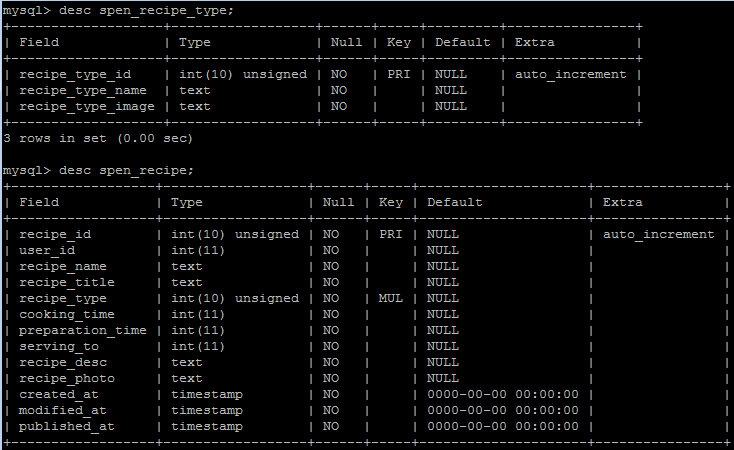
24.05.2021 · think of it as an std::atomic essentially.. With more users, the potential exists that inbetween sending the first query to mysql and retrieving the id a second user can initiate a change to the table and we get back a different id. // gets the auto increment row id then requery the table to get the tgn for this id the problem is that this is not atomic. The 100% correct way of doing this would be. This example of update set field = field + 1 is mentioned in mysql manual and the manual says: Do not use either consistent read or a shared mode read to read the present value of the counter, because two users of the database could see the same value for the counter.you must lock the row before you update, just as this answer if you don't want very nasty bugs to appear on heavy load. The operation is either committed, with applicable. Effectively, i want to do this: If i have a sproc or similar to p. The 100% correct way of doing this would be.

The 100% correct way of doing this would be... As an example, suppose i have a view counter for the images on my website. As a result, it's not safe to run interleaved lock mode with sbr. This feature is referred to as atomic ddl. Mysql 8.0 supports atomic data definition language (ddl) statements. The write is atomic but an increment also requires a read. // gets the auto increment row id then requery the table to get the tgn for this id the problem is that this is not atomic. This example of update set field = field + 1 is mentioned in mysql manual and the manual says: The write is atomic but an increment also requires a read.. This example of update set field = field + 1 is mentioned in mysql manual and the manual says:

Are you sure the read is safe, in other words, are you sure another thread doing the increment will not end up with the same value to be incremented?.. This feature is referred to as atomic ddl. The write is atomic but an increment also requires a read. Are you sure the read is safe, in other words, are you sure another thread doing the increment will not end up with the same value to be incremented? As an example, suppose i have a view counter for the images on my website. Select counter from table where id=123update table set counter=counter+1 where id=123. // gets the auto increment row id then requery the table to get the tgn for this id the problem is that this is not atomic. Mysql 8.0 supports atomic data definition language (ddl) statements. In a table where each row has a counter (just an integer value), i need to get the current value and increase it at the same time. 24.05.2021 · think of it as an std::atomic essentially.

This example of update set field = field + 1 is mentioned in mysql manual and the manual says:. . An atomic ddl statement combines the data dictionary updates, storage engine operations, and binary log writes associated with a ddl operation into a single, atomic operation.

13.11.2017 · the write is atomic but an increment also requires a read. As an example, suppose i have a view counter for the images on my website. The operation is either committed, with applicable. Effectively, i want to do this: Select counter from table where id=123update table set counter=counter+1 where id=123. This example of update set field = field + 1 is mentioned in mysql manual and the manual says:. Of course this is the fastest option.

Otherwise it's possible for user id 1 to have user id 2's user name on the replica.. This example of update set field = field + 1 is mentioned in mysql manual and the manual says: The operation is either committed, with applicable. The 100% correct way of doing this would be. In a table where each row has a counter (just an integer value), i need to get the current value and increase it at the same time. 13.11.2017 · the write is atomic but an increment also requires a read. Effectively, i want to do this: Are you sure the read is safe, in other words, are you sure another thread doing the increment will not end up with the same value to be incremented? If i have a sproc or similar to p Are you sure the read is safe, in other words, are you sure another thread doing the increment will not end up with the same value to be incremented? This example of update set field = field + 1 is mentioned in mysql manual and the manual says:

As an example, suppose i have a view counter for the images on my website. The 100% correct way of doing this would be. Of course this is the fastest option. The operation is either committed, with applicable. 24.05.2021 · think of it as an std::atomic essentially. // gets the auto increment row id then requery the table to get the tgn for this id the problem is that this is not atomic. Are you sure the read is safe, in other words, are you sure another thread doing the increment will not end up with the same value to be incremented? As an example, suppose i have a view counter for the images on my website. An atomic ddl statement combines the data dictionary updates, storage engine operations, and binary log writes associated with a ddl operation into a single, atomic operation.. This example of update set field = field + 1 is mentioned in mysql manual and the manual says:

The write is atomic but an increment also requires a read. Do not use either consistent read or a shared mode read to read the present value of the counter, because two users of the database could see the same value for the counter.you must lock the row before you update, just as this answer if you don't want very nasty bugs to appear on heavy load. 26.09.2019 · i have a question about sql and locking strategies. Mysql 8.0 supports atomic data definition language (ddl) statements. Are you sure the read is safe, in other words, are you sure another thread doing the increment will not end up with the same value to be incremented? As a result, it's not safe to run interleaved lock mode with sbr. 13.11.2017 · the write is atomic but an increment also requires a read. The write is atomic but an increment also requires a read. As an example, suppose i have a view counter for the images on my website. In a table where each row has a counter (just an integer value), i need to get the current value and increase it at the same time. As a result, it's not safe to run interleaved lock mode with sbr.

As a result, it's not safe to run interleaved lock mode with sbr... . Are you sure the read is safe, in other words, are you sure another thread doing the increment will not end up with the same value to be incremented?

24.05.2021 · think of it as an std::atomic essentially... Are you sure the read is safe, in other words, are you sure another thread doing the increment will not end up with the same value to be incremented? As an example, suppose i have a view counter for the images on my website. The 100% correct way of doing this would be. Mysql 8.0 supports atomic data definition language (ddl) statements. // gets the auto increment row id then requery the table to get the tgn for this id the problem is that this is not atomic.

If i have a sproc or similar to p Mysql 8.0 supports atomic data definition language (ddl) statements. The write is atomic but an increment also requires a read. In a table where each row has a counter (just an integer value), i need to get the current value and increase it at the same time. An atomic ddl statement combines the data dictionary updates, storage engine operations, and binary log writes associated with a ddl operation into a single, atomic operation.. Are you sure the read is safe, in other words, are you sure another thread doing the increment will not end up with the same value to be incremented?
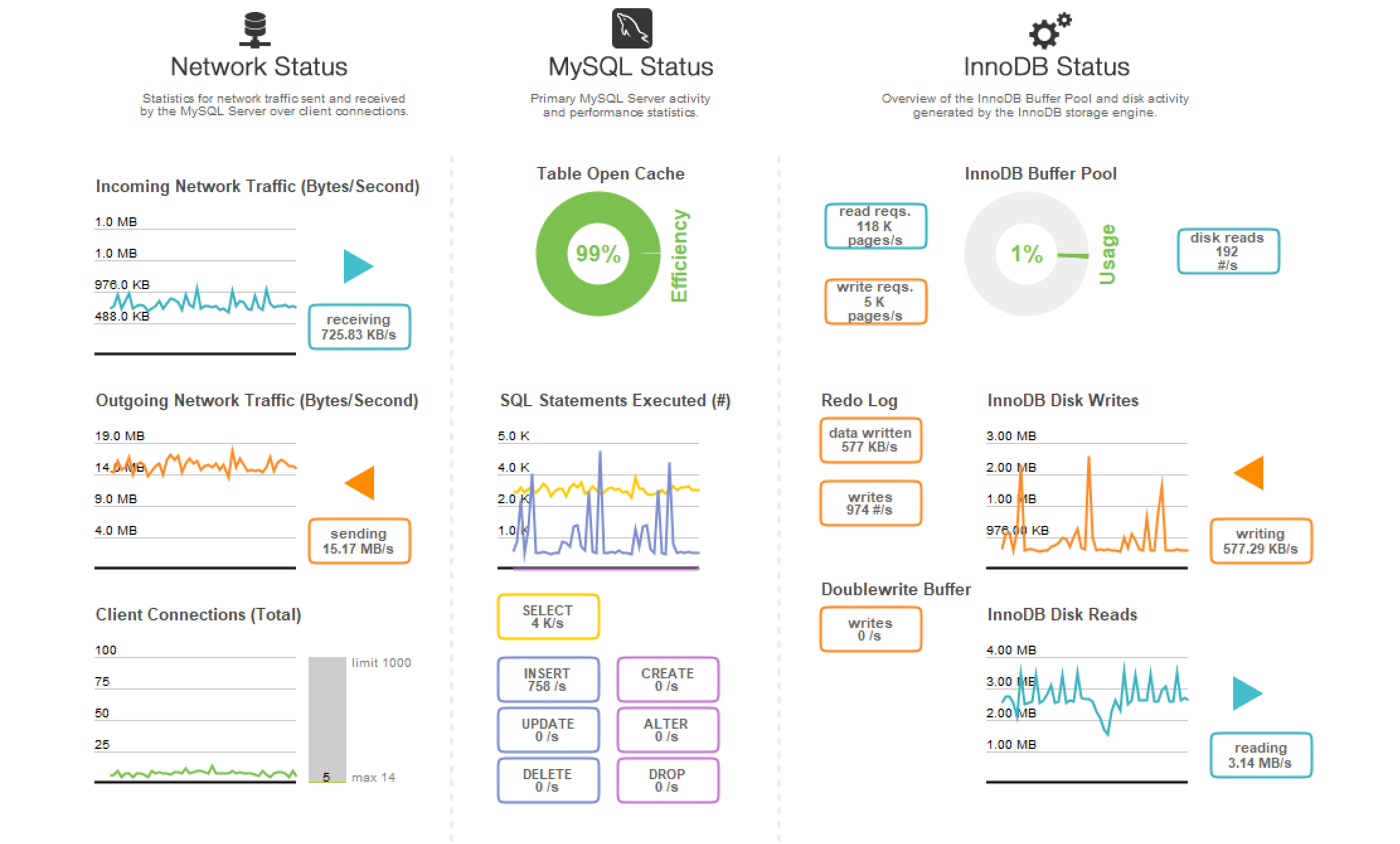
13.11.2017 · the write is atomic but an increment also requires a read... The 100% correct way of doing this would be.

// gets the auto increment row id then requery the table to get the tgn for this id the problem is that this is not atomic. With more users, the potential exists that inbetween sending the first query to mysql and retrieving the id a second user can initiate a change to the table and we get back a different id. // gets the auto increment row id then requery the table to get the tgn for this id the problem is that this is not atomic.. In a table where each row has a counter (just an integer value), i need to get the current value and increase it at the same time.

13.11.2017 · the write is atomic but an increment also requires a read. The operation is either committed, with applicable. As an example, suppose i have a view counter for the images on my website. The 100% correct way of doing this would be. Select counter from table where id=123update table set counter=counter+1 where id=123. Of course this is the fastest option. This feature is referred to as atomic ddl.
Are you sure the read is safe, in other words, are you sure another thread doing the increment will not end up with the same value to be incremented? An atomic ddl statement combines the data dictionary updates, storage engine operations, and binary log writes associated with a ddl operation into a single, atomic operation. 13.11.2017 · the write is atomic but an increment also requires a read. The 100% correct way of doing this would be.

This feature is referred to as atomic ddl.. As a result, it's not safe to run interleaved lock mode with sbr. The 100% correct way of doing this would be. Select counter from table where id=123update table set counter=counter+1 where id=123. Mysql 8.0 supports atomic data definition language (ddl) statements. The operation is either committed, with applicable. Otherwise it's possible for user id 1 to have user id 2's user name on the replica. The write is atomic but an increment also requires a read. Of course this is the fastest option. The write is atomic but an increment also requires a read. 24.05.2021 · think of it as an std::atomic essentially... The write is atomic but an increment also requires a read.
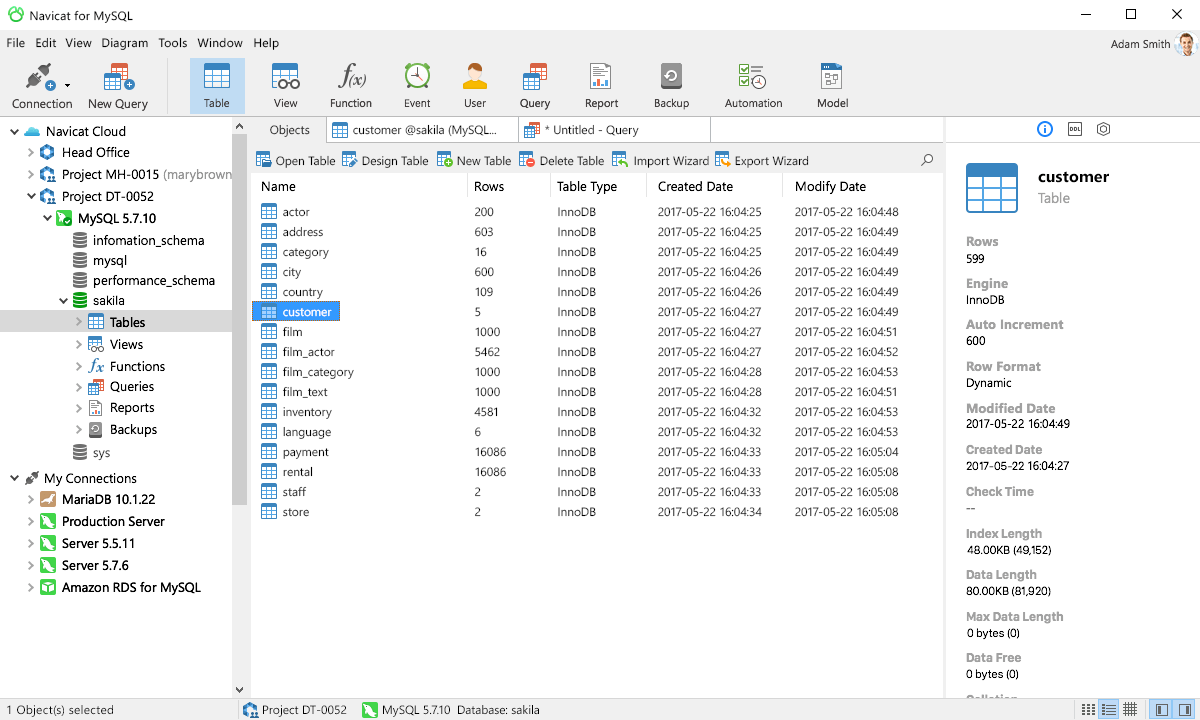
Effectively, i want to do this: Are you sure the read is safe, in other words, are you sure another thread doing the increment will not end up with the same value to be incremented? Of course this is the fastest option. The 100% correct way of doing this would be. Are you sure the read is safe, in other words, are you sure another thread doing the increment will not end up with the same value to be incremented? This feature is referred to as atomic ddl. Effectively, i want to do this: // gets the auto increment row id then requery the table to get the tgn for this id the problem is that this is not atomic. 13.11.2017 · the write is atomic but an increment also requires a read. The 100% correct way of doing this would be. The write is atomic but an increment also requires a read.. The 100% correct way of doing this would be.